
Bed bug treatment in Collingwood works best when inspection, preparation, treatment, and follow-up are handled together. Bed bugs can hide in mattress seams, bed frames, baseboards, furniture, luggage, and small cracks, so guessing or spraying one area is rarely enough.
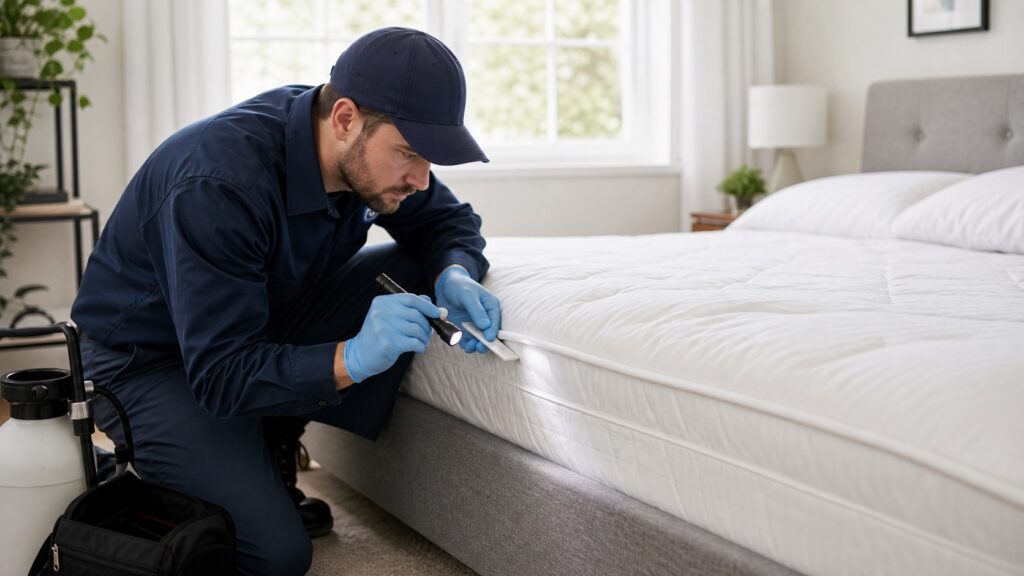
X-Guard Pest Control helps Collingwood homeowners, tenants, landlords, hotels, cottages, and property managers confirm bed bug activity, prepare rooms properly, and choose the right treatment path.
Why Bed Bugs Need a Careful Treatment Plan
Health Canada says bedbugs are very hard to get rid of and strongly recommends hiring a licensed professional pest control operator when they are present. Their guidance also explains that treatment is most effective when physical control methods and preventive measures are used together. Health Canada’s bedbug treatment advice lists approaches such as vacuuming, washing, steam, heat, and licensed pest control products, depending on the situation.
Common Signs of Bed Bugs
- Small dark spots on mattresses, sheets, bed frames, or nearby furniture
- Rust-coloured stains on sheets or pillowcases
- Small shed skins near mattress seams or cracks
- Bites that appear after sleeping, although bites alone do not confirm bed bugs
- Live insects in seams, tufts, headboards, furniture joints, or baseboards
- Activity after travel, used furniture, multi-unit building exposure, or overnight guests
The EPA recommends confirming that the insect is actually a bed bug before choosing a control plan and warns against immediately reaching for a spray can. EPA bed bug guidance encourages integrated pest management, reducing hiding places, washing and heat-drying bedding and clothes, and hiring a responsible professional when needed.
Where to Check Before Calling for Bed Bug Treatment
Mattress seams and box spring edges
Use a flashlight and inspect seams, tags, piping, tufts, and the underside of the box spring. Do not tear the fabric or move items through the home if you suspect activity.
Bed frame, headboard, and nearby furniture
Bed bugs can hide in screw holes, wood joints, upholstery seams, nightstands, drawers, and furniture close to the bed.
Baseboards, wall cracks, and electrical areas
In heavier activity, bed bugs may move away from the bed into cracks, baseboards, curtains, and nearby wall areas. This is one reason professional inspection matters.
How to Prepare for a Bed Bug Inspection or Treatment
Preparation should follow the technician’s instructions because the right steps depend on the room, treatment method, and activity level. In general, avoid moving items from room to room, bag laundry carefully, reduce clutter around treatment areas, and keep suspected items contained.
- Wash and dry bedding and clothing on appropriate high-heat settings when instructed
- Bag clean, dry items in sealed containers or heavy-duty bags
- Move furniture only as directed by the technician
- Do not apply unlabelled or unregistered products to mattresses, pets, people, or bedding
- Save a sample or clear photo if you find an insect and can do so safely
Why DIY Bed Bug Sprays Often Fail
Bed bugs hide in tight spaces and may not contact a surface spray. Some products are not meant for mattresses, bedding, toys, or sensitive areas. Health Canada advises using only pesticides registered for use in Canada and only according to label directions.
When to Call X-Guard for Bed Bug Treatment in Collingwood
Call if you find live insects, repeated signs near beds or couches, unexplained activity after travel, or a suspected issue in a rental, hotel, cottage, or multi-unit building. X-Guard can inspect, explain preparation steps, recommend treatment options, and help reduce the chance of spreading activity to other rooms.
For local help, visit our Collingwood pest control service page or call 705-408-4900.
Bed Bug Treatment FAQ
Can bed bugs spread from room to room?
Yes. Bed bugs can move with luggage, clothing, furniture, bedding, and personal items, so containment and careful preparation are important.
Should I throw away my mattress?
Not always. Many items can be treated or protected with the right plan. Throwing items away without containment can spread bed bugs to hallways, neighbours, or other properties.
Does X-Guard help landlords and property managers?
Yes. X-Guard supports homeowners, tenants, landlords, hotels, cottages, and property managers with bed bug inspection and treatment planning in Collingwood and nearby communities.